


Those delicious pastries and cakes mixed with sea food and savoury treats can leave some of us with painful symptoms of indigestion. Christmas holidays season is a time when we often indulge in much of the festive fare – and eat more sweets, rich foods and enjoy an alcoholic beverage as we celebrate with family and friends. Sometimes the unfortunate ones who have a tendency to experience reflux and indigestion can find themselves suffering which leaves the memory of the day tainted. Dr Sandra Cobot’s article is very timely and I encourage you to read it. Maybe you have a loved one whom this may help.. Jacquie Walker (Editor)

Help for Acid Reflux and Indigestion by Dr Sandra Cabot
Millions of people suffer with acid reflux and bloating and are wanting relief from this awful condition. Many are seeking holistic safe solutions because the long list of side effects of acid blocking drugs has recently grown longer; they are now linked to liver disease.
Approximately 10 percent of Americans and Australians take a proton pump inhibitor drug to relieve symptoms of heartburn or reflux. Some examples of these drugs include Losec, Zoton, Nexium, Pariet and Prevacid. New research has shown these drugs alter gut bacteria in a harmful way, which can lead to three different types of liver disease.

This research was carried out at the University of California San Diego School of Medicine and published in the journal Nature Communications. According to the lead researcher, “Our stomachs produce gastric acid to kill ingested microbes, and taking a medication to suppress gastric acid secretion can change the composition of the gut microbiome. Since we found previously that the gut microbiome — the communities of bacteria and other microbes living there — can influence liver disease risk, we wondered what effect gastric acid suppression might have on the progression of chronic liver disease. We found that the absence of gastric acid promotes growth of Enterococcus bacteria in the intestines and translocation to the liver, where they exacerbate inflammation and worsen chronic liver disease.”
The three liver diseases that proton pump inhibitor drugs promote are alcohol-induced liver disease, NAFLD (Non-Alcoholic Fatty Liver Disease) and NASH (steatohepatitis, which is a more severe form of fatty liver). Each of these liver diseases raises the risk of cirrhosis of the liver.
The researchers concluded their study with the following statement: “Our findings indicate that the recent rise in use of gastric acid-suppressing medications might have contributed to the increased incidence of chronic liver disease. Although obesity and alcohol use predispose a person to acid reflux requiring antacid medication, many patients with chronic liver disease take gastric acid suppressive medications without appropriate indication. We believe clinicians should consider withholding medications that suppress gastric acid unless there is a strong medical indication.”

It is true that being overweight and suffering with reflux and heartburn are associated with a greater risk of fatty liver. This is because obesity is associated with a higher level of harmful bacteria in the intestines. Sugar and refined carbohydrates like bread, breakfast cereals, crackers and other foods made of flour encourage the overgrowth of bad gut bugs. SIBO (small intestinal bacterial overgrowth) is a well-known risk factor for fatty liver. Taking an acid suppressing drug makes SIBO worse. Stomach acid is your friend. It is very necessary for adequate digestion of protein and minerals, and also, it’s a wonderful disinfectant for your gut. You can take stomach acid in supplement form. It is called betaine hydrochloride and is taken in the middle of your meal. It should help to improve nutrient absorption and discourage bacterial overgrowth. BactoClear capsules contain essential oils of clove, oregano and thyme and have a powerful antimicrobial action in the gut thereby reducing SIBO.
Natural ways to manage reflux
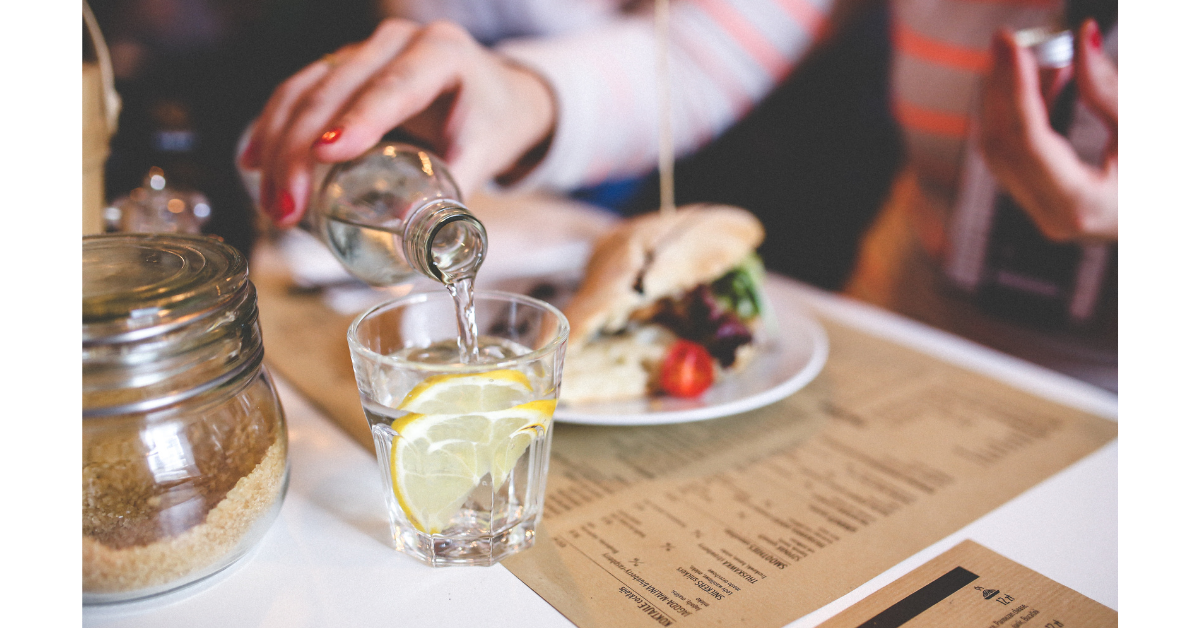
Avoid drinking with meals – Drink at least 20 minutes away from meals as drinking with meals can dilute digestive enzymes and worsen digestion.
Have some organic apple cider vinegar – The exception to the no drinking with meals is organic apple cider vinegar. Apple cider vinegar helps to balance stomach acid and lessen the symptoms of acid reflux. Dilute one to two tablespoons of apple cider vinegar in water and sip slowly during your meals.
Maintain a healthy weight – If you are overweight it is vital to lose weight, and the best way to do this is by consuming a diet low in sugar and carbohydrates, and high in vegetables and fruits, protein and good fats. A diet low in sugar and processed foods and high in vegetables will reduce symptoms of heartburn and reflux.
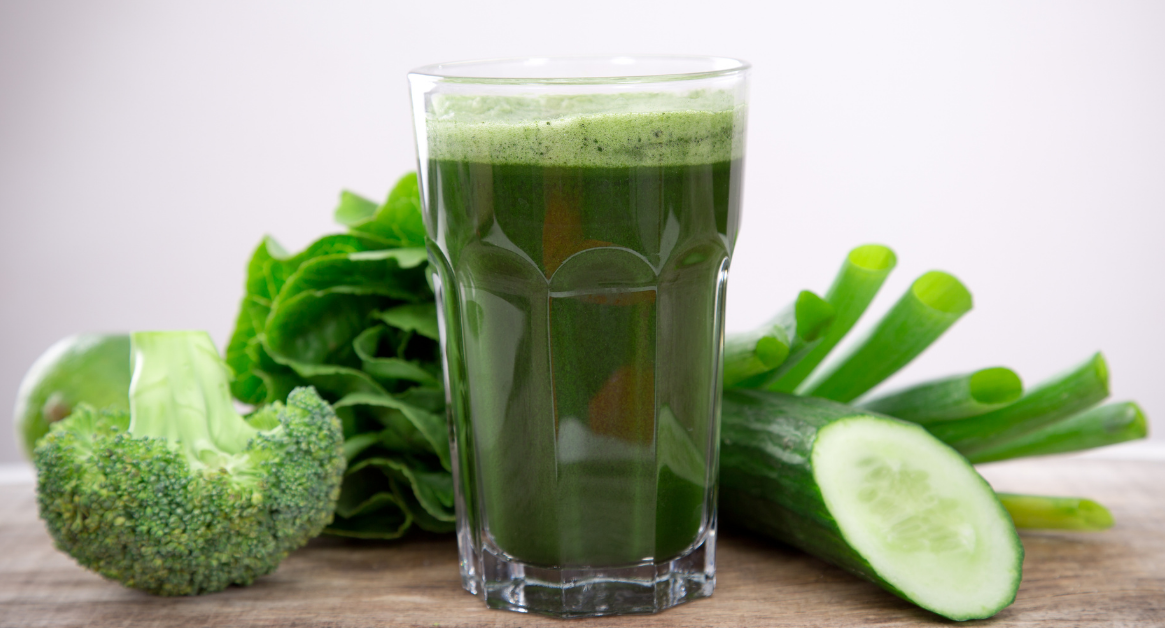 Try raw juicing – Raw juices or green smoothies can help to alkalinize the stomach in between meals. Alkaline juices or smoothies contain plenty of green produce such as green apples, celery, cucumber, mint, parsley and fennel; these foods help to heal your gut. There are some excellent juice recipes in my book titled ‘Raw Juices Can Save Your Life’.
Try to avoid eating three hours before bed – We recommend drinking alkaline beverages during this time such as herbal teas, Aloe Vera juice or celery, mint, cucumber and carrot juice.
Natural Supplements
- Magnesium Ultrapotent Powder – In a dose of ½ teaspoon twice daily in water or vegetable juices to strengthen the muscular valve between the oesophagus and stomach.
- Ultimate Gut Health Powder which has Glutamine, Slippery elm, Aloe Vera and a probiotic mixed in vegetable juice or coconut milk or water can heal an inflamed and leaky gut.
- Selenium – Is an essential daily supplement for those with chronic reflux because it is a powerful antioxidant that helps to prevent chronic changes in the oesophagus.
- Herbal teas – Chamomile, marshmallow, alfalfa, meadowsweet, golden seal and liquorice root are very soothing to the intestinal lining.
- Super Digestive enzymes – Take one or two capsules at the start of meals to help with digestion and absorption of nutrients.
- Probiotics – Adding healthy bacteria can help to balance out the digestive tract and stop the proliferation of bad bacteria that can lead to indigestion, leaky gut and poor nutrient absorption. Probiotic foods include Greek yoghurt, sauerkraut, miso and kombucha.
For more information visit www.sandracabot.com


